
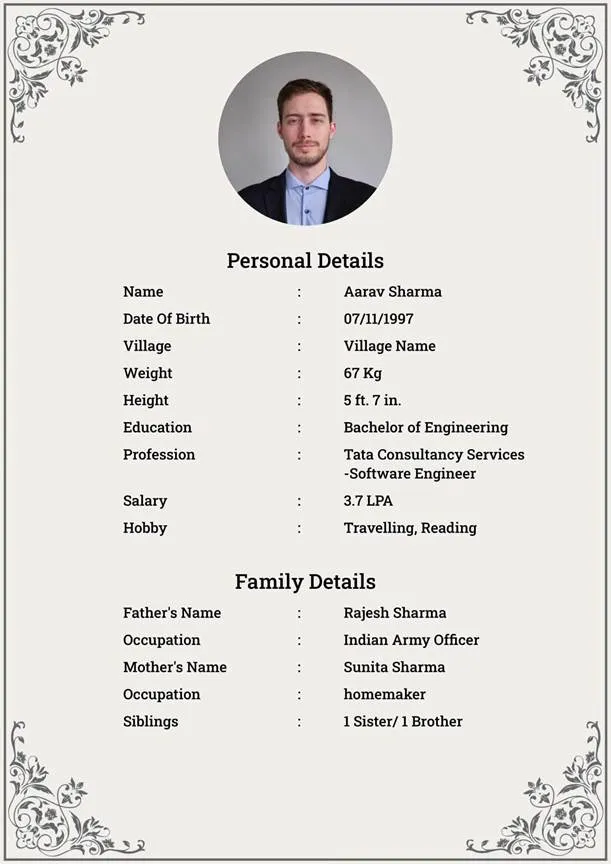
In today’s world, a biodata is more than just a formal document. It is your personal introduction, your first impression, and often the starting point of important life decisions such as marriage or professional connections. Knowing how to make biodata in a clear, structured, and meaningful way can make a big difference in how others perceive you.
A well-prepared biodata is simple, honest, and well-organized. It does not need fancy language or complicated design—it just needs the right information presented in the right order. In this guide, you will learn step-by-step how to create a biodata, what to include, and how to make it more effective for real-life use. Platforms like createmybiodata make this process easier by helping users build clean and professional biodata formats quickly.
What is a Biodata and Why is it Important?
A biodata is a structured summary of a person’s background, personality, education, and lifestyle. It is commonly used in marriage proposals and sometimes in professional introductions.
Unlike a resume that focuses on skills and job experience, a biodata focuses more on who you are as a person.
A well-written biodata helps to:
-
Introduce yourself in a clear and organized way
-
Build trust in first impressions
-
Share important personal and family details
-
Help others understand compatibility
-
Save time during introductions
In simple words, a biodata is your personal identity on paper.
How to Make Biodata Step by Step
Creating a biodata becomes very easy when you follow a proper structure. Each section has a purpose, and when combined, they create a complete picture of your personality and background.
1. Start with Basic Personal Details
The first section of your biodata should always include your basic identity information. This is the foundation of your profile and should be clear and accurate.
You should include:
-
Full name
-
Date of birth or age
-
Height
-
Gender
-
Current location
-
Religion or cultural background (if relevant)
This section should be short but informative. It gives the reader an immediate understanding of who you are.
2. Educational Background
Education is an important part of your biodata because it shows your knowledge, discipline, and academic journey.
Include details such as:
-
Highest qualification
-
School, college, or university name
-
Field of study
-
Any important achievements or certifications
Keep it simple and avoid unnecessary academic history that does not add value.
3. Professional and Career Information
Your career details help others understand your financial stability and lifestyle. This section is especially important in modern biodata formats.
You can include:
-
Job title or profession
-
Company or business name
-
Work location
-
Experience level (optional)
If you are a business owner or freelancer, describe your work in a clear and simple way.
4. Family Background Details
Family information plays an important role, especially in traditional marriage arrangements. It helps build trust and understanding between families.
You may include:
-
Father’s profession
-
Mother’s profession
-
Number of siblings
-
General family background and values
This section should always be written respectfully and briefly.
5. Personality and Lifestyle
This is the most human part of your biodata. It allows others to understand your personality beyond education and career.
You can mention:
-
Personality traits (calm, friendly, ambitious, responsible, etc.)
-
Hobbies and interests
-
Food preferences
-
Lifestyle habits
This section helps create a real connection and makes your biodata feel more personal.
6. Partner Preferences (for Marriage Biodata)
If your biodata is for marriage purposes, this section is very important. It helps define what kind of life partner you are looking for.
You can include:
-
Age range preference
-
Education expectations
-
Profession preference
-
Personality compatibility
-
Family values alignment
It is important to keep expectations realistic and respectful so that meaningful matches can be found easily.
How to Structure a Professional Biodata
A biodata is not only about what you write but also about how you present it. A clean and organized structure makes a strong impression.
A good biodata should:
-
Use clear headings for each section
-
Keep paragraphs short and readable
-
Avoid overcrowding information
-
Maintain consistent formatting throughout
-
Present information in a logical order
This is where platforms like createmybiodata help users by automatically arranging information into a neat and professional layout without requiring any technical skills.
Common Mistakes to Avoid While Making Biodata
Many people unintentionally reduce the quality of their biodata by making small but important mistakes.
Some of the most common mistakes include:
-
Adding incomplete or unclear information
-
Using overly complicated language
-
Writing unnecessary personal details
-
Poor structure and formatting
-
Unrealistic expectations in partner preferences
A good biodata should always be simple, honest, and easy to understand.
Why a Good Biodata Matters in Today’s World
A biodata is often the first step in introductions, especially in arranged marriage systems. It helps families and individuals quickly understand compatibility before moving forward.
A well-prepared biodata:
-
Creates a strong first impression
-
Helps in faster decision-making
-
Improves clarity in communication
-
Builds trust between families
In many cases, a good biodata can open the door to meaningful conversations and long-term relationships.
Digital Evolution of Biodata Creation
In earlier times, biodata was handwritten or printed in simple formats. Today, it has become more digital, organized, and visually appealing.
Digital biodata allows you to:
-
Share instantly via messaging apps
-
Update information anytime
-
Maintain a clean and modern format
-
Present yourself more professionally
This shift has made platforms like createmybiodata very useful for people who want quick, structured, and attractive biodata creation without effort.
Tips for Writing a Strong Biodata
Here are some simple but effective tips to make your biodata more impactful:
-
Always keep information honest and accurate
-
Focus on clarity instead of decoration
-
Avoid long paragraphs and unnecessary details
-
Maintain a natural and simple tone
-
Ensure all sections are properly organized
A biodata should feel easy to read and understand within a few seconds.
The Role of Biodata in Modern Matchmaking
In today’s fast-paced world, families and individuals often rely on biodata before any personal meeting. It acts as a filter that helps identify suitable matches.
A well-written biodata helps:
-
Save time in initial discussions
-
Avoid misunderstandings
-
Highlight compatibility factors early
-
Build a structured introduction process
This makes biodata one of the most important tools in modern matchmaking systems.
Final Thoughts
Learning how to make biodata is an important skill, especially in today’s digital and structured introduction systems. A biodata is not just a list of details—it is a reflection of your personality, background, and lifestyle.
By following a proper structure that includes personal information, education, career, family background, and personality traits, you can create a meaningful and effective biodata.
With the help of createmybiodata, the process becomes simple, organized, and accessible for everyone. It allows users to focus on their content while ensuring the final presentation looks clean and professional.
A well-made biodata does not just share information—it tells your story in a clear, respectful, and human way.